Exploring the psychological thrill of high-stakes gambling in casinos
The Allure of High-Stakes Gambling
High-stakes gambling captivates individuals with its blend of excitement and risk. For many, the thrill of wagering large sums of money creates an adrenaline rush that is hard to replicate in everyday life. The atmosphere in casinos, filled with flashing lights and the sounds of spinning wheels, heightens this sense of urgency and possibility. Many players are drawn to online casino opportunities, drawn by the potential for substantial rewards, often overlooking the risks involved.

This intoxicating environment fosters a unique psychological experience. Gamblers often enter a state of flow, where they become fully immersed in the game. The anticipation of winning can overshadow rational thought, leading individuals to take chances they normally would not consider. This blend of excitement and anxiety can be both exhilarating and perilous.
The Psychology Behind the Game
The mental processes involved in high-stakes gambling are complex. Cognitive biases, such as the illusion of control and the gambler’s fallacy, play significant roles in decision-making. Players often believe they can influence outcomes through their choices or strategies, despite the inherent randomness of games like roulette or blackjack. This false sense of agency can lead to increased wagers as individuals chase losses or seek to validate their perceived skill.
Moreover, the social dynamics within casinos contribute to the psychological thrill. Observing others win or lose enhances emotional reactions, often leading to impulsive betting behaviors. The communal atmosphere can create a sense of belonging, where the excitement of the game is shared among players, further intensifying the experience.
Strategies to Manage Risks
While high-stakes gambling offers undeniable thrills, it’s essential to approach it with caution. Developing strategies to manage risks can enhance the experience and minimize potential losses. Setting strict budgets and sticking to them is a fundamental strategy. This discipline helps maintain control and prevents individuals from exceeding their financial limits, ensuring that gambling remains an enjoyable activity rather than a detrimental one.
Additionally, understanding the odds and game mechanics can empower players. Knowledge of when to bet or fold can significantly influence outcomes. Educating oneself about different games and their associated risks allows gamblers to make informed decisions, reducing the emotional weight of high-stakes play.
The Impact of Emotions in Gambling
Emotions play a crucial role in the gambling experience. The highs of winning can lead to euphoric states, while losses often result in frustration or despair. Recognizing and managing these emotions is vital for a healthier gambling experience. Emotional regulation techniques, such as taking breaks or practicing mindfulness, can help players maintain composure during intense moments.
Furthermore, the psychological impact of gambling extends beyond the game itself. Many individuals experience a sense of identity tied to their gambling habits. This connection can amplify the emotional stakes, as the desire to succeed becomes intertwined with personal self-worth. Acknowledging these feelings can lead to healthier coping mechanisms and a more balanced perspective on gambling.
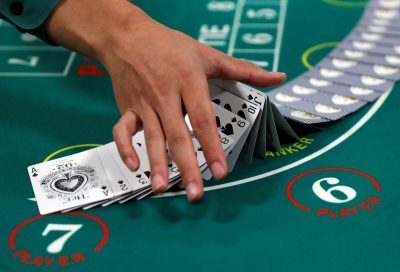
Website for Safe Gambling Practices
When engaging in high-stakes gambling, it is essential to prioritize safety and security. A trustworthy platform can provide essential resources for responsible gambling practices. Such websites often emphasize user education, offering guidance on recognizing risky behavior and promoting self-exclusion options for those who need it.
By fostering a secure environment, these platforms help build trust among users, allowing individuals to explore their interests in gambling while ensuring their safety. Access to reliable support and resources can empower players to enjoy the thrill of high-stakes gambling without compromising their well-being.
Leave a Reply